

Skin Tag, Cherry Angioma & Bump Removal in San Jose, CA
Finally Get Rid of the Little Things That Bother You Most.
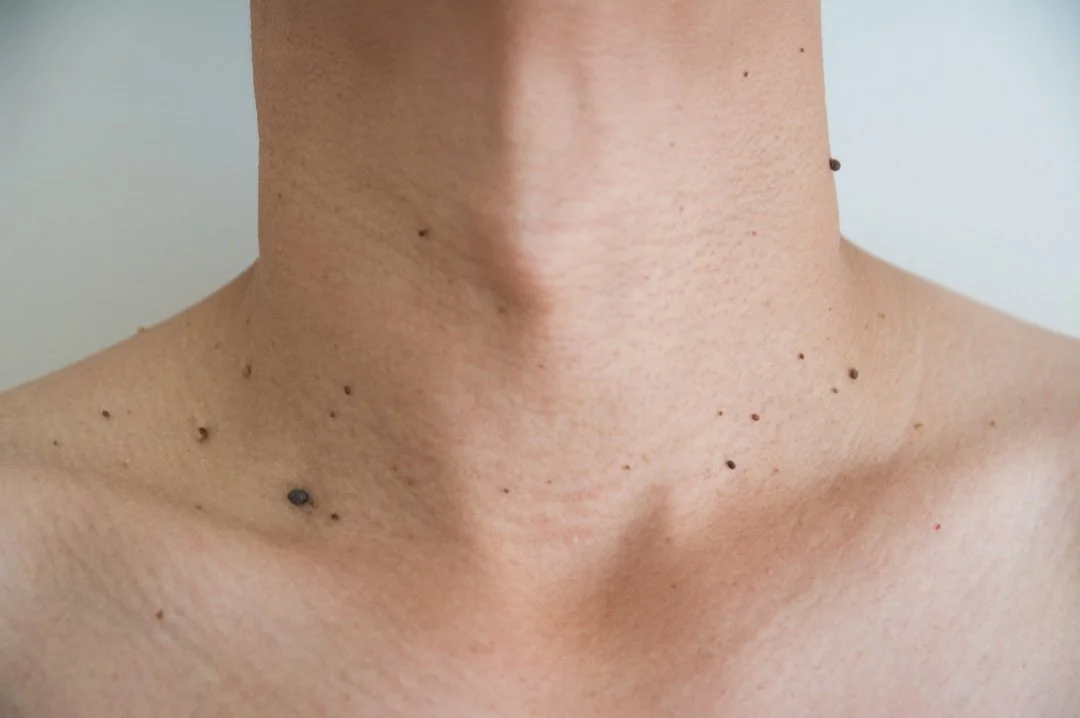
Skin tags. Cherry angiomas. Tiny bumps that have been sitting on your face or body for years that no one seems to be able to do anything about. These are some of the most common cosmetic concerns patients bring up — and some of the most undertreated, simply because most med spas don't offer removal and most dermatology offices have long wait times.
At Modern Aesthetics in San Jose, Sheri Rocha PA-C uses a hyfrecator — a precise electrodessication device — to safely and effectively remove a wide range of benign skin growths with minimal downtime. One appointment. Most lesions gone for good. No liquid nitrogen, no freezing, no guessing.
What Can Be Removed?
At Modern Aesthetics, the following benign skin growths can be treated:
Skin Tags (Acrochordons): Soft, flesh-colored growths that hang from the skin — commonly found on the neck, underarms, eyelids, and areas of friction. One of the most requested removal treatments and one of the most satisfying — patients are often amazed at how quick and straightforward removal is.
Cherry Angiomas: Small, bright red spots caused by an overgrowth of blood vessels near the skin's surface. Common on the chest, back, and arms. Completely harmless but often bothersome cosmetically.
DPNs (Dermatosis Papulosa Nigra): Small, dark, raised spots commonly found on the face, neck, and chest — particularly in patients with deeper skin tones. A very common concern that is frequently undertreated. Sheri's dermatology background and precision technique make her especially well-suited to treat DPNs safely across all skin types.
Sebaceous Hyperplasia: Enlarged sebaceous glands that appear as small, yellowish bumps — often with a central depression — most commonly on the forehead and cheeks. Can be mistaken for milia but are a distinct condition. Larger lesions may require more than one treatment session.
Seborrheic Keratoses: Waxy, stuck-on-looking growths that range in color from tan to dark brown or black. Completely benign but often mistaken for something more concerning. Larger SKs may require more than one session.
Milia: Small, white, keratin-filled cysts that form just under the skin — commonly around the eyes and cheeks. Often mistaken for whiteheads but don't respond to typical acne treatments.
Syringomas: Small, flesh-colored or yellowish bumps caused by overgrowth of sweat gland cells — most commonly found under the eyes. Often clustered and can be mistaken for milia. May require more than one treatment session for full clearance.
Xanthelasma: Yellowish, cholesterol-rich deposits that appear around the eyelids. While completely harmless cosmetically, xanthelasma can be associated with elevated lipid levels — patients with xanthelasma are encouraged to see their primary care physician for lipid management, as growths may recur if underlying cholesterol levels remain uncontrolled. Cosmetic removal is available at Modern Aesthetics on a case-by-case basis.
How Electrodessication Works
Electrodessication uses a hyfrecator — a device that delivers a precise, controlled electrical current to targeted skin growths. This current dehydrates and destroys the unwanted tissue without affecting the surrounding skin. The precision of this method is one of its greatest advantages — unlike liquid nitrogen (cryotherapy), which sprays over a wider area and carries a higher risk of pigmentation changes, electrodessication targets only the specific growth being treated.
Most treatments are completed in a single session. Some larger or deeper growths — including large sebaceous hyperplasias, SKs, xanthelasma, syringomas, and large cherry angiomas — may require more than one session for complete clearance.
What to expect during treatment:
Topical numbing applied before treatment for comfort
Injectable lidocaine available for larger or more sensitive areas
Precise, targeted treatment — surrounding skin is not affected
Sessions typically quick — most appointments completed in under 30 minutes depending on the number of growths being treated
Minor redness and swelling immediately following treatment is normal
Recovery & Aftercare
After your hyfrecator treatment, here's what to expect:
Days 1–3: Minor swelling, redness, and small scabs will form over treated spots. The area may feel tender for a few hours following treatment.
Days 5–14: Healing is typically complete within this window, depending on the size and number of growths treated.
Aftercare: Keep the area clean and apply a thin layer of ointment (Aquaphor or Vaseline) for 7–10 days to support healing. Do not pick at scabs — this is the most common cause of scarring and pigmentation changes. Let the area heal completely on its own.
Sun protection: Protect treated areas from sun exposure during healing to minimize the risk of pigmentation changes.
A Note on Skin Types
Electrodessication with a hyfrecator is actually a safer option for patients with darker skin tones compared to liquid nitrogen cryotherapy. The precision of the device targets only the growth itself, making pigmentation changes less likely than with spray-based methods.
That said, pigmentation changes and scarring can occur in any skin type — most commonly when patients pick at the treated area before it has fully healed. For patients who may benefit from pretreatment with melanin-inhibiting products, this will be recommended prior to your appointment to minimize any risk of post-treatment pigmentation changes.
Your skin type and any concerns about pigmentation will be discussed thoroughly during your consultation.
Why Choose Modern Aesthetics?
Most med spas don't offer this service. Most dermatology offices have wait times that stretch for months. At Modern Aesthetics, Sheri Rocha PA-C's background in dermatology makes her uniquely qualified to assess, identify, and treat a wide range of benign skin growths with the precision and clinical judgment this treatment requires.
She'll tell you honestly what can be treated, what may need more than one session, and what — if anything — warrants a referral to a dermatologist rather than cosmetic removal.
Here's what patients say:
"Getting this treatment done was a total gamechanger. I cannot tell you how much more confident I am showing off my neckline and wearing necklaces that don't get caught on my skin. I wish I knew about this treatment sooner." — Patient, Skin Tag Removal
Ready to finally get rid of the little things that have been bothering you? Let's take a look.
Have questions about Botox or neurotoxin treatments? Here are answers to some of the most common questions we receive at our San Jose medical spa.
FAQs
-
At Modern Aesthetics, we remove skin tags, cherry angiomas, DPNs (dermatosis papulosa nigra), sebaceous hyperplasia, seborrheic keratoses (SKs), milia, syringomas, and xanthelasma. All growths treated are benign. If a growth appears suspicious or requires further evaluation, we will refer you to a dermatologist before proceeding with cosmetic removal.
-
Most skin tags, cherry angiomas, milia, and DPNs are resolved in a single session. Larger or deeper growths — including large sebaceous hyperplasias, SKs, xanthelasma, syringomas, and large cherry angiomas — may require more than one treatment session for complete clearance. This will be discussed during your consultation.
-
Topical numbing is applied before every treatment. Injectable lidocaine is also available for larger or more sensitive areas. Most patients find the treatment very manageable with these comfort measures in place.
-
Expect minor swelling, redness, and small scabs over treated areas within the first 1–3 days. Healing is typically complete within 5–14 days depending on the size and number of growths treated. Most patients return to normal activities immediately — just avoid picking at the treated area during healing.
-
Yes — electrodessication with a hyfrecator is actually considered safer for darker skin tones than liquid nitrogen cryotherapy, because the precision of the device targets only the specific growth without affecting surrounding skin. Pigmentation changes are less likely than with spray-based methods. For patients who may benefit from pretreatment with melanin-inhibiting products, this will be recommended prior to treatment. Skin type and pigmentation concerns are always discussed during consultation.
-
Most benign growths treated with electrodessication do not return once removed. New growths can develop over time in other areas — this is a natural part of how some skin conditions progress. Xanthelasma specifically may recur if underlying cholesterol levels are not managed — patients with xanthelasma are encouraged to see their primary care physician for lipid management alongside cosmetic removal.
-
Patients with a cardiac pacemaker or implanted defibrillator are not candidates for electrodessication. This treatment is also not performed during pregnancy. Any additional contraindications will be discussed during your consultation and health history review.
-
No — and the difference matters. Liquid nitrogen is a spray-based treatment that covers a wider area, which increases the risk of pigmentation changes — particularly in patients with darker skin tones. Electrodessication with a hyfrecator uses a precise electrical current targeted directly at the growth, with minimal impact to surrounding skin. This precision makes it a safer, more controlled option for most patients.
-
Arrive with clean skin. Avoid applying lotions or products to the areas being treated on the day of your appointment. If you are prone to pigmentation changes, a pretreatment regimen with melanin-inhibiting products may be recommended — this will be discussed during your consultation.
-
Pricing is based on the number and size of growths being treated and will be discussed during your consultation. Most patients are surprised by how affordable and straightforward this treatment is for the results it delivers.
Disclaimer: This information provided is for general informational purposes only. It is not intended as a substitute for professional advice from a qualified healthcare professional and should not be relied upon as personal health advice. The information contained in this content is not meant to diagnose, treat, cure, or prevent any disease. You are advised to consult with a qualified healthcare professional for any medical concerns. Use of this information is at your own risk. We are not responsible for any adverse effects, or consequences resulting from the use of any suggestions or information provided.